New hairstyles suitable for older women are once again becoming popular
Hairstyle trends rarely travel in a straight line, and that is why many classic cuts for older women are stepping back into view with new energy. Salons, magazines, and social platforms are highlighting polished bobs, airy shags, soft pixies, and shoulder-length layers that blend elegance with practicality. This matters because hair often changes with age, and the right cut can support texture, frame the face, and make daily styling feel simpler rather than demanding.
This article begins with a short outline of why these hairstyles are returning and why they resonate now. It then explores how mature hair changes in density, texture, and behavior, because those details shape which cuts work best in real life. After that, it compares the most popular revived styles and explains what each one does well. Finally, it looks at color, bangs, styling habits, and practical salon decisions before closing with guidance aimed directly at women who want a flattering, modern, manageable look.
Why Classic Hairstyles for Older Women Are Returning to the Spotlight
Fashion has a reliable habit of reopening old wardrobes and old beauty ideas, but the current return of hairstyles suited to older women is more than simple nostalgia. It reflects a wider cultural shift toward practicality, authenticity, and visible confidence. Instead of chasing one narrow beauty standard, many women now want hair that feels personal, wearable, and modern without demanding an hour of heat styling every morning. That desire has brought renewed attention to cuts that already proved their value decades ago: the bob, the pixie, the softly layered crop, and the textured shoulder-length style.
One reason for this revival is visibility. Mature actresses, presenters, authors, and public figures are appearing with hair that looks polished rather than overworked. Social media has also played a role, somewhat ironically. While online trends often celebrate extremes, they have also opened space for women over fifty and sixty to share real salon experiences, gray transitions, styling shortcuts, and before-and-after transformations. A hairstyle is no longer judged only by how it looks in a studio photo. It is judged by how it moves, how it grows out, and whether it still looks good after a windy walk or a long workday.
Another factor is the changing beauty market. Haircare brands and salons increasingly recognize that older clients are not asking to disappear into safe, lifeless cuts. They want softness, shape, and freshness. That has encouraged stylists to revisit older haircut foundations and update them with lighter layers, gentler outlines, and more flexible texture. The result is a new-old category of hair: familiar silhouettes with improved technique.
These styles are popular again because they answer real needs: • they can create the appearance of fuller hair • they often reduce styling time • they work well with natural gray, white, or blended color • they flatter facial features without trying to mask age entirely
There is something quietly powerful in that last point. The goal is no longer to pretend the years never passed. The goal is to look vivid, rested, interesting, and fully oneself. In that sense, the comeback of these hairstyles is not a retreat into the past. It is a refined return, with better tools, better technique, and a much healthier understanding of beauty.
How Hair Changes with Age and What That Means for Choosing a Cut
To understand why certain hairstyles suit older women so well, it helps to begin with the hair itself. Hair often changes gradually with age because of genetics, hormonal shifts, overall health, and cumulative styling damage. Many women notice that strands become finer, the scalp becomes more visible, or the ends stop holding shape the way they once did. Gray hair can also behave differently from pigmented hair. It may feel coarser, drier, or more resistant to smooth styling, even when the overall density has decreased. This combination can be confusing: hair may feel both fragile and stubborn at the same time.
That is why the same haircut worn at thirty may not perform the same way at sixty. A heavy one-length style can drag down fine hair. Very long hair may emphasize thinning at the crown or create a stringy effect at the ends. On the other hand, going extremely short is not automatically the answer. The best cuts for mature hair usually strike a balance between structure and softness. They remove enough weight to create lift, but not so much that the hair looks sparse.
Face framing also becomes more important. A well-placed line around the cheekbones, jaw, or collarbone can brighten the whole appearance. This has less to do with hiding age and more to do with visual proportion. Glasses, neckline preferences, and natural parting all matter too. A haircut lives next to the face every day, so it should work with real features, not against them.
When choosing a style, these factors are especially useful: • hair density: thick, medium, or fine • hair texture: straight, wavy, curly, or coily • styling habits: air-dry, blow-dry, or heat tools • maintenance tolerance: trims every 4 to 6 weeks or less often • comfort preferences: neckline exposure, fringe, or length around the ears
There is also a practical truth many women discover in the salon chair: movement matters more than length. Hair that swings, separates naturally, and catches light usually looks healthier than hair that simply hangs. That is why layers, graduation, soft fringe, and internal shaping have become central in modern cuts for older women. These details can create volume where it is wanted and calm bulk where it is not.
In short, a flattering mature hairstyle begins with hair behavior, not trend pressure. Once the hair’s texture, density, and growth pattern are respected, the style stops fighting reality. It starts working with it, which is where true elegance begins.
The Comeback Styles: Pixies, Bobs, Shags, and Layered Mid-Length Cuts
If classic hairstyles are back, four families of cuts are leading the return: the pixie, the bob, the shag, and the layered mid-length cut. Each brings a different balance of structure, softness, and upkeep, which is why there is no single “correct” style for older women. The better question is what kind of support the hair needs and what kind of daily life the wearer actually has.
The modern pixie is no longer the severe, tightly sculpted crop some people still imagine. Today’s version often includes a longer top, softer sides, and feathered texture around the crown. This makes it especially helpful for fine hair, because shorter lengths can lift away from the scalp more easily. A pixie can also draw attention to the eyes and cheekbones. Compared with longer styles, it tends to require more frequent trims, but daily styling is often quicker. A small amount of mousse, cream, or texturizing spray can be enough. For women who dislike hair falling into the face or who want a neat shape around glasses and collars, the pixie remains a smart option.
The bob, however, may be the most versatile comeback of all. A chin-length bob can look crisp and intelligent, while a jaw-to-collarbone version feels softer and more adaptable. A blunt bob creates density at the perimeter, which can be useful for hair that has become wispy. A lightly layered bob adds movement and prevents a helmet effect. Compared with a pixie, the bob offers more styling variety. It can be tucked, waved, parted differently, or worn sleek. For many women, it sits in the sweet spot between polish and flexibility.
The shag has returned in a much more wearable form. The older stereotype of the shag as wild or chaotic does not fit the modern version. Today’s shag is about textured layers, curtain-like face framing, and an intentionally easy finish. It works particularly well for wavy hair and for women who want body without a rigid silhouette. Compared with a classic bob, the shag feels less formal and more lived-in. It can also help distribute bulk in thick hair while keeping the overall look lively.
Then there is the layered mid-length cut, which is often ideal for women who do not want to go short but still need more shape. Falling around the shoulders or collarbone, it keeps enough length for tying back while preventing the heaviness that can flatten mature hair. Soft layers around the face can open the features, and gentle shaping through the ends can make the cut feel fresher than a long one-length style.
A simple comparison helps: • pixie: strongest lift, least daily fuss, most frequent trims • bob: balanced structure, broad versatility, easy to modernize • shag: texture and movement, especially good for waves • mid-length layers: familiar feel, softer transition, styling flexibility
The beauty of this comeback is choice. These styles are not popular again because they are old. They are popular because, after refinement, they still solve the same timeless problem: how to make hair look alive, intentional, and easy to wear.
The Details That Make a Style Look Current: Bangs, Color, Texture, and Styling
A haircut provides the architecture, but the details decide whether that architecture feels contemporary or tired. This is where many returning hairstyles for older women are being transformed. The shapes may be familiar, yet the finishing choices are lighter, softer, and more individual than before. Small adjustments in fringe, color placement, parting, or texture can completely change the mood of a cut.
Bangs are one of the clearest examples. Heavy, fixed fringe can overpower delicate hair, but soft bangs can do the opposite. Side-swept bangs add movement and often blend well into layers. Wispy fringe can soften the forehead area without creating a harsh line. Curtain bangs, when tailored carefully, open around the eyes and cheekbones. The key is scale. The bang should match the density of the hair and the size of the haircut. Too much hair taken into the fringe can leave the rest looking thin.
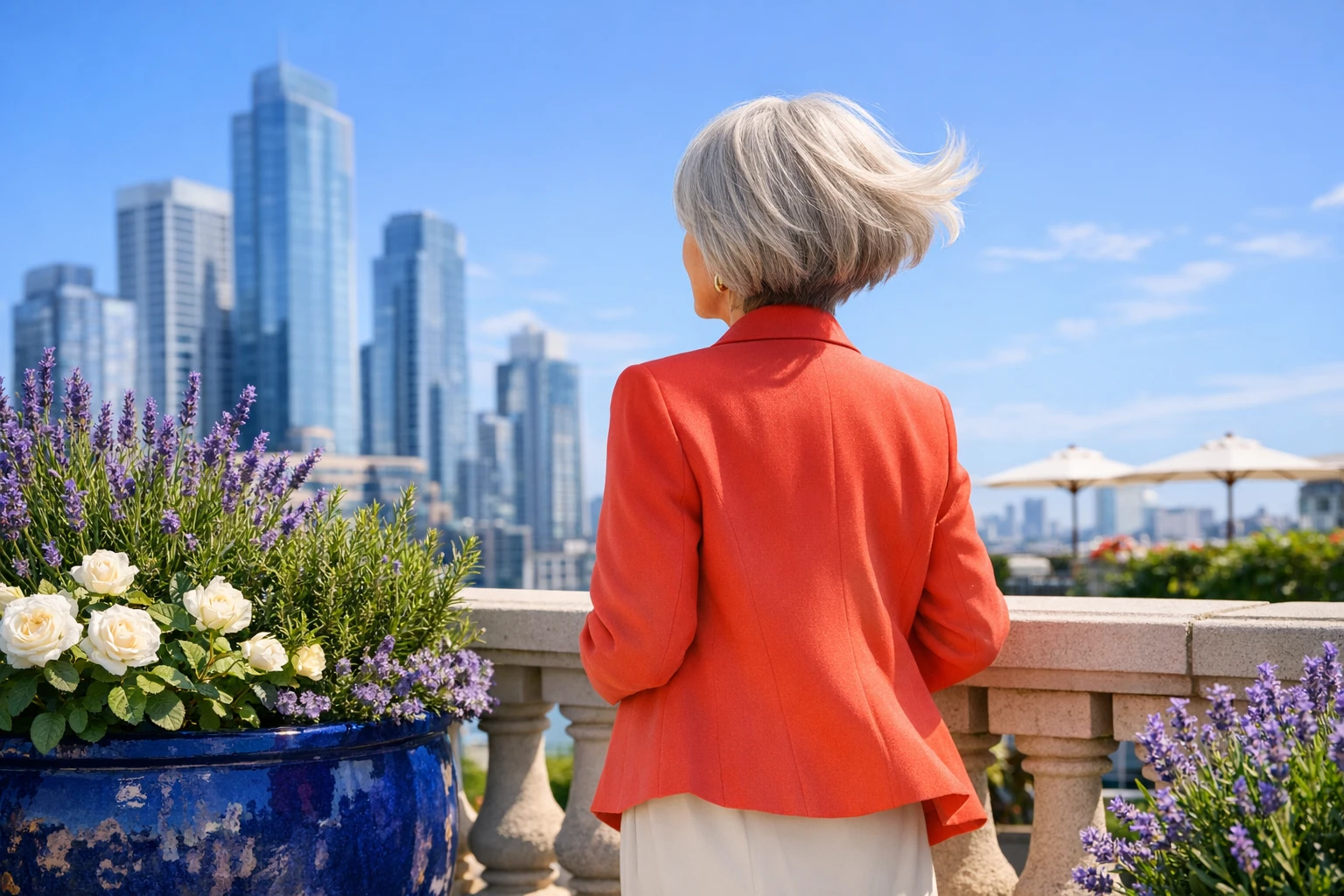
Color matters just as much. Many older women are choosing to keep gray, white, or silver, and modern cuts are helping those shades look intentional rather than neglected. A clean bob can make silver hair appear sleek and luminous. A textured pixie can give white hair a lively, airy finish. Others prefer blending techniques such as lowlights, highlights, or soft root transitions to reduce the sharp line of regrowth. These approaches can add dimension, especially when hair has become finer and needs visual depth.
Texture has become another major difference between older and newer styling methods. The contemporary finish is rarely stiff. Instead of shell-like hairspray shapes, today’s most flattering looks often use touchable volume and soft separation. That is especially helpful for mature hair, because too much rigidity can make hair appear thinner or less natural.
Useful style upgrades include: • a side part for instant lift at the crown • crown layers for fine hair that falls flat • a little wave to keep bobs from looking rigid • shine products for gray hair, which can lose some natural luster • heat protection, since dry hair is more prone to damage
One of the most engaging things about these revived hairstyles is that they leave room for personality. A sharp bob can feel artistic. A tousled shag can feel relaxed and witty. A smooth pixie can look elegant in the morning and a little rebellious by evening with just a dab of styling cream. Hair, after all, is not only fabric; it is mood. And when the details are chosen well, a classic cut stops looking like a memory and starts feeling very much like the present.
Conclusion for Women Considering a New Cut: How to Choose Well and Wear It With Confidence
If you are thinking about changing your hairstyle, the most useful takeaway is simple: choose for your present life, not for an old photo and not for someone else’s trend board. The renewed popularity of hairstyles suited to older women is encouraging because it widens the conversation. You are not limited to one “age-appropriate” option, and you do not need to choose between looking modern and looking comfortable. The right cut can do both.
Start with honest questions. How much time do you really want to spend styling? Do you enjoy salon visits every month, or do you prefer a shape that grows out gracefully? Are you embracing gray, blending it, or still coloring regularly? Do you want softness around the face, more volume on top, or less bulk through the sides? These answers matter more than the name of the haircut itself. A great stylist can then adapt the shape to your hair type, your features, and your habits.
It helps to go into a consultation with a practical checklist: • bring photos for shape, not exact imitation • explain how your hair behaves when air-dried • mention cowlicks, scalp sensitivity, or thinning areas • ask how often the cut needs trimming • ask what one or two products, not ten, will help at home
Remember that confidence often comes from coherence. A flattering hairstyle works because it feels in step with the person wearing it. It suits the face, fits the routine, and supports how someone wants to move through the day. That is why the return of the bob, pixie, shag, and layered cut feels so meaningful. These styles are not asking women to chase youth. They are offering shape, ease, and expression at a stage of life when many women know themselves far better than they did earlier.
There is something refreshing about that. Instead of using hair as camouflage, more women are using it as clarity. A fresh cut can brighten silver strands, lift fine texture, sharpen soft features, and remove the drag of a style that no longer serves. If these hairstyles are becoming popular again, it is because they continue to answer a timeless need: to feel like yourself, only clearer, lighter, and a little more alive when you catch your reflection on the way out the door.