Carpet Cleaning Guide: Methods, Tips
Carpets do far more than soften a room; they collect dust, oils, crumbs, pet hair, and the fine grit that slowly wears fibers down. A thoughtful cleaning routine keeps colors looking fresher, improves the feel of a space, and helps flooring last longer. The challenge is that different fibers, stains, and machines need different approaches. This guide explains the main carpet cleaning methods, smarter stain-response habits, and practical tips that make everyday maintenance easier.
Article outline:
- How carpet fibers, soil, and traffic patterns affect cleaning choices
- A comparison of common carpet cleaning methods and where each works best
- Practical stain-removal tips for spills, odors, and everyday mishaps
- How to choose tools, solutions, and professional services wisely
- A realistic maintenance plan for homeowners, renters, families, and pet owners
Know Your Carpet Before You Clean It
The first rule of carpet cleaning is surprisingly simple: do not start with the machine, start with the material. Carpet fibers react differently to water, heat, friction, and chemicals. Synthetic carpets such as nylon, polyester, and olefin are common in homes because they are durable and often easier to clean than natural fibers. Wool, on the other hand, can be beautiful and resilient, but it is more sensitive to high alkalinity, aggressive scrubbing, and prolonged moisture. What looks like “just carpet” from across the room can behave very differently once a stain lands on it or a cleaner is applied.
It also helps to understand what is actually in the carpet. Soil is not one thing. Some dirt is dry and gritty, such as sand, dust, and tracked-in debris. Some is oily, like cooking residue, body oils, or air pollution. Some is highly visible, like coffee, muddy paw prints, or a dropped plate of pasta. Each type responds to cleaning in a different way. Dry particulate soil is best removed with vacuuming before moisture is added. Oily residue often needs a detergent or spotting solution. Protein-based messes, such as food spills or pet accidents, may need targeted treatment and quick response to prevent odor and discoloration.
Traffic patterns matter as much as the stain itself. Hallways, stairs, family room walkways, and the area in front of a sofa usually wear faster than the rest of the carpet because the pile is compressed and soil is repeatedly ground into the fibers. That is why one room can look patchy even when the whole floor is technically the same age. Cleaning these paths is not just cosmetic. Fine grit acts like sandpaper underfoot, quietly shaving away the carpet’s appearance over time.
Before cleaning, take a few minutes to assess four things:
- Fiber type: synthetic or natural
- Soil load: light dust, oily buildup, or heavy staining
- Traffic level: occasional use or daily wear
- Backing and padding condition: especially important if there has been past water exposure
That small pause can prevent common mistakes, such as soaking a carpet that should be cleaned with low moisture, scrubbing a delicate loop pile until it fuzzes, or applying a strong cleaner that leaves behind sticky residue. Good carpet care is a little like cooking: the ingredients decide the method. Once you know what is on the floor and what the carpet is made of, the rest of the process becomes far more effective and far less risky.
Comparing Carpet Cleaning Methods: What Works, When, and Why
Carpet cleaning methods are often marketed as if one approach solves everything, but the truth is more practical. Each method has strengths, limits, and best-use scenarios. The right choice depends on how dirty the carpet is, how quickly you need it dry, and whether you are doing maintenance cleaning or restorative cleaning after months of wear.
Vacuuming is the foundation, not an optional first step. It removes dry soil before that soil turns into muddy residue during wet cleaning. In many homes, regular vacuuming does more to preserve carpet appearance than occasional deep cleaning alone. A slow pass over high-traffic areas is usually more useful than a hurried sweep of the entire room.
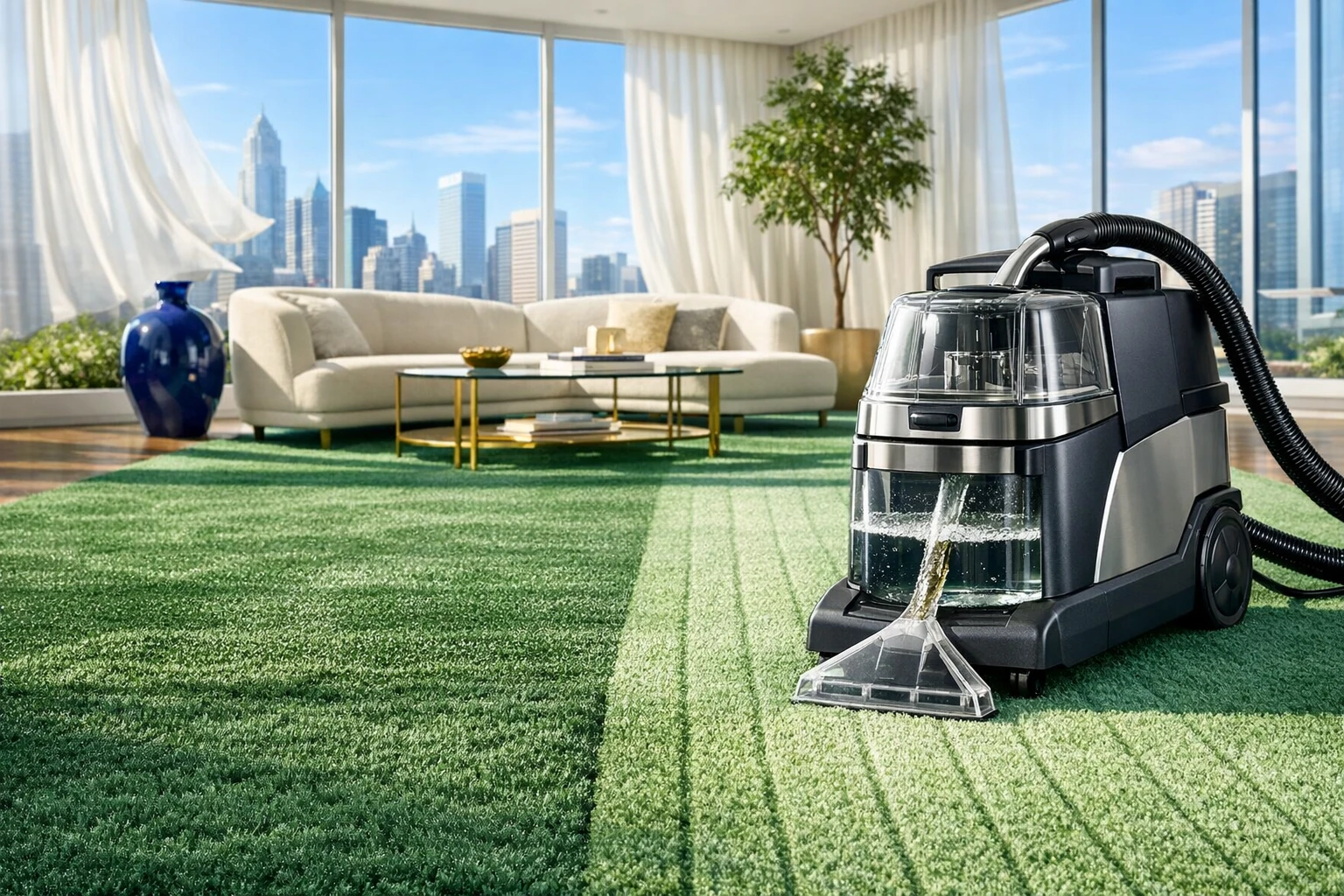
Hot water extraction, often casually called steam cleaning, is one of the most effective deep-cleaning methods. It uses hot water and cleaning solution injected into the carpet, then extracts the water along with loosened soil. This method is widely used because it reaches deeper into the pile and can flush out embedded dirt. It is especially helpful for heavily soiled carpets, homes with pets, and periodic deep cleaning. The trade-off is drying time. If too much water is left behind, the carpet can stay damp too long, attract new soil, or develop musty odors.
Dry cleaning methods use very little moisture. One version uses an absorbent cleaning compound brushed into the carpet and then vacuumed out. Another, called encapsulation, applies a low-moisture solution that surrounds soil particles so they can be removed after drying. These methods are useful when fast drying is important, such as in offices, busy households, or rooms that cannot stay out of use for long. They are efficient for routine maintenance, though they may not provide the same flushing effect as hot water extraction on heavily soiled carpet.
Shampooing is an older method that creates foam to loosen dirt. It can brighten appearance, but if not rinsed properly it may leave residue behind. Bonnet cleaning, more common in commercial settings, uses a rotating pad to absorb soil from the carpet surface. It offers quick improvement in appearance, especially in traffic lanes, but it mainly treats the top layer rather than delivering a deep clean.
A simple comparison looks like this:
- Vacuuming: best for routine dry soil removal
- Hot water extraction: best for deeper cleaning and higher soil loads
- Dry compound or encapsulation: best for quick drying and maintenance cleaning
- Shampooing: useful in some cases, but residue can be a concern
- Bonnet cleaning: fast surface cleaning, often better for commercial spaces
If your carpet has a dull gray cast, sticky residue, or deep traffic shadows, a deeper method is usually worth it. If the carpet simply needs a refresh between major cleanings, low-moisture cleaning can be a smart and efficient option. The best method is rarely the loudest one in the advertisement. It is the one that matches the condition of the carpet, the demands of the room, and the time you have available for proper drying.
Stain Removal Tips That Actually Help Instead of Making Things Worse
When a spill happens, time matters, but panic is the enemy. The biggest stain-removal mistakes are usually made in the first two minutes: rubbing too hard, adding too much product, or grabbing a random cleaner from under the sink and hoping for the best. A calmer approach almost always works better. Blot first, identify the stain second, and treat in layers rather than all at once.
Blotting means pressing with a clean white cloth or paper towel to lift liquid without driving it deeper. Rubbing spreads the mess sideways and can distort the carpet pile. Work from the outside of the stain toward the center. That one small habit can stop a coffee spill from turning into a larger brown halo. Cold or lukewarm water is often the safest first response, especially when you are not sure what the carpet fiber is.
Different stains need different strategies. Water-based spills like juice, soda, tea, and mud often respond well to blotting followed by a mild carpet-safe detergent solution. Greasy stains, such as salad dressing or butter, usually need a product designed to break down oils. Protein-based accidents, including milk, food residue, or pet messes, should be treated quickly because odor and bacteria become a bigger issue as they sit. Ink, paint, and dye-based stains are trickier and may require specialized removers or professional help.
Useful stain-response habits include:
- Test any cleaner in a hidden area first
- Use small amounts of solution instead of soaking the spot
- Blot repeatedly with clean sections of cloth
- Rinse lightly when needed to remove cleaner residue
- Dry the area thoroughly with airflow or fans
Pet accidents deserve special mention because they are a double problem: visible staining and lingering odor. The smell can draw a pet back to the same area, turning a one-time mistake into a routine one. Enzyme-based cleaners are often helpful because they target the organic material causing the odor rather than merely masking it. Even then, saturation should be controlled. If the accident has soaked through to the pad underneath, surface cleaning alone may not fully solve the problem.
There is also a short list of things to avoid. Do not mix cleaners casually, especially products that were not meant to be combined. Do not use highly colored towels that might transfer dye. Do not over-wet the carpet. And do not assume heat will help; some stains set faster when exposed to high temperatures. In carpet cleaning, more force rarely means more success. The better approach is patient, precise, and a little boring in the best possible way. Boring, in this case, is how stains leave quietly.
DIY Equipment, Cleaning Products, and When to Call a Professional
There is a certain optimism that comes with renting a carpet machine on a Saturday morning. You roll it into the house imagining spotless floors by lunch, then discover that hoses tangle, tanks leak, and the carpet is still damp by dinner. DIY cleaning can absolutely work, but success depends on using the right tools, the right amount of solution, and realistic expectations.
For everyday care, a good vacuum is still the most important tool. Features that matter include adjustable height, effective suction, and a brush system appropriate for your carpet type. High-pile carpet may need different settings than a low, dense loop. Attachments are useful for edges, stairs, and upholstery, where dust quietly gathers like it has signed a long-term lease.
Portable spot cleaners are helpful for homes with children or pets because they let you respond quickly to spills. Full-size extraction machines can provide a deeper clean, but they vary widely in power. Some consumer units freshen a carpet well yet leave more moisture behind than professional-grade equipment. That is why patience with drying is essential after DIY deep cleaning. Open windows when weather allows, use fans, and avoid replacing furniture too quickly.
When choosing cleaning products, read labels with a skeptical eye. “Powerful” is not a technical description. Look instead for information about carpet compatibility, dilution directions, residue control, and whether the product is designed for general cleaning, spot treatment, or odor removal. Using too much detergent is a common error. Residue left in the carpet can attract more dirt, making the floor look dingy again sooner than expected.
Consider calling a professional when:
- The carpet has widespread staining or heavy traffic lanes
- There are persistent pet odors that may have reached the padding
- You are dealing with wool, specialty fibers, or delicate rugs
- The carpet has not been deep-cleaned in a long time
- There has been significant water exposure or suspected mold risk
A professional service should be able to explain its process clearly, including pre-treatment, agitation, extraction, drying expectations, and pricing. Ask whether furniture moving is included, how long the carpet should stay off-limits, and whether protectant is optional or bundled into the service. A trustworthy cleaner does not need vague language or pressure tactics. Good service sounds informed, straightforward, and specific. If a company cannot explain how it cleans, that is a useful answer in itself.
Conclusion: A Practical Carpet Care Plan for Real Homes
For most homeowners, renters, families, and pet owners, the goal is not a showroom floor that never gets touched. The real goal is a carpet that stays comfortable, looks presentable, smells clean, and lasts as long as it reasonably can. That comes from routine more than perfection. A smart carpet care plan blends frequent light maintenance with occasional deeper cleaning and faster response to spills. In other words, a little attention at the right time saves a lot of frustration later.
A simple routine often works better than an ambitious one you abandon after a week. Vacuum high-traffic areas more often than low-use rooms. Address spills as soon as possible. Deep-clean on a schedule that matches the household, not an arbitrary rule. A home with pets, children, frequent guests, or allergy concerns may need more frequent restorative cleaning than a guest room that sees almost no traffic. The carpet does not care what month it is; it cares how much life has happened on top of it.
A useful maintenance rhythm might look like this:
- Vacuum busy areas several times a week
- Vacuum lower-traffic rooms weekly
- Spot-clean spills immediately and dry the area well
- Refresh problem zones before they become major stains
- Schedule deep cleaning based on visible soil, odor, traffic, and household needs
Small preventive habits make a real difference too. Use entry mats to catch grit before it reaches the carpet. Remove shoes indoors if that fits your household. Rotate furniture slightly when possible so wear patterns do not become permanent. Keep up with air filters and general dust control. These details may seem minor on their own, yet together they change how quickly a carpet ages.
If there is one takeaway from this guide, it is that carpet cleaning is less about harsh effort and more about choosing the right method at the right moment. Know the fiber, understand the soil, avoid over-wetting, and treat stains with patience rather than force. Do that consistently, and your carpet has a much better chance of staying fresh, functional, and welcoming under daily life’s very unglamorous parade of shoes, snacks, paws, and accidents.