Learn more about shingles roofing
Understanding Shingles Roofing
Shingles roofing is a widely adopted roofing solution in many regions around the world. Known for its combination of durability and aesthetic appeal, shingles roofing is available in various materials, including asphalt, wood, metal, and slate. Each type brings its own unique benefits and considerations, making shingles a versatile choice for diverse architectural styles and climates.
The popularity of shingles roofing can be attributed to its cost-effectiveness and ease of installation. Asphalt shingles, for example, are among the most affordable roofing materials, offering a good balance between price and longevity. Their layered structure provides excellent protection against the elements, making them suitable for a range of weather conditions.
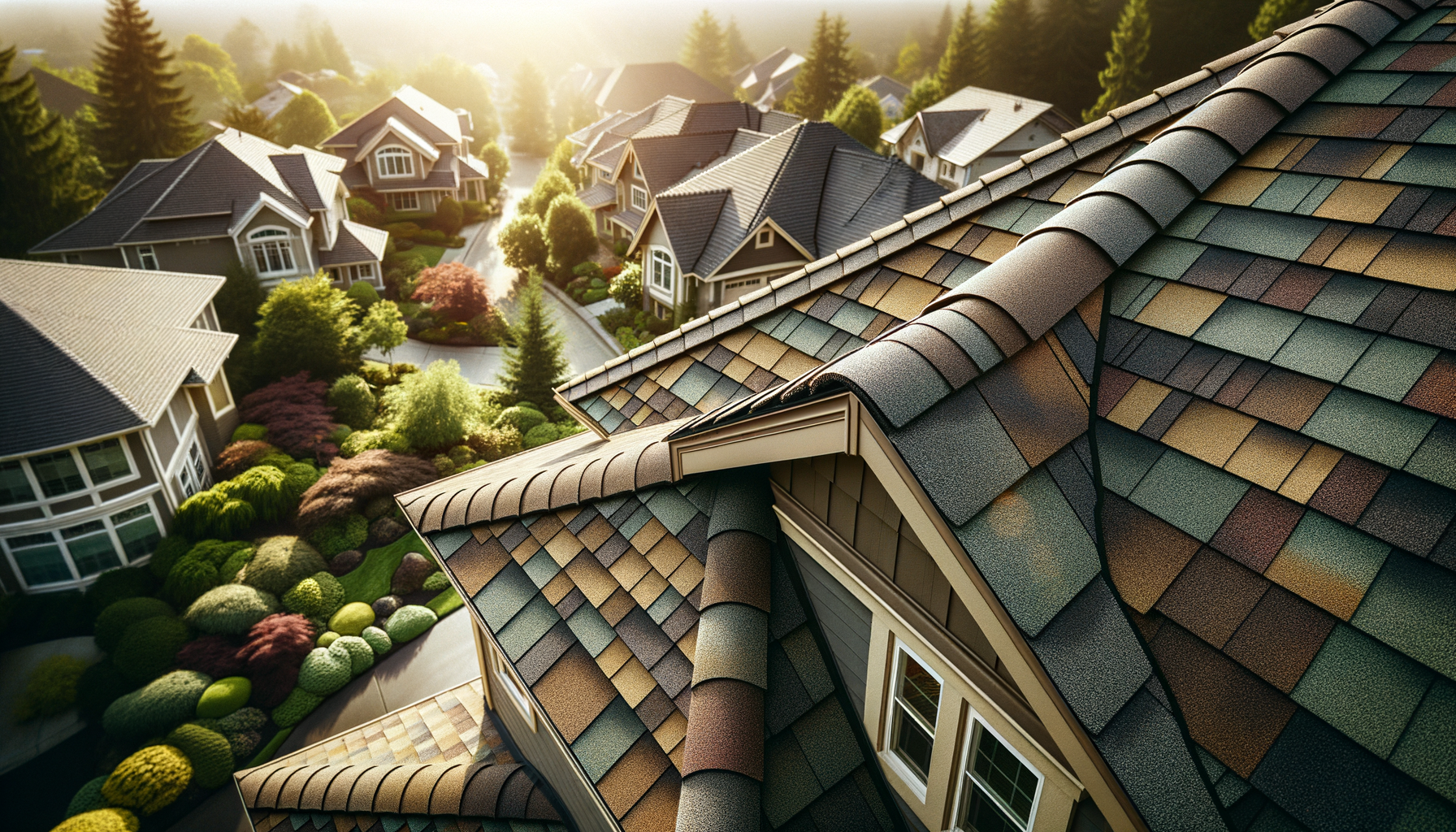
Moreover, shingles roofing offers a customizable appearance. With a variety of colors and textures available, homeowners can select options that complement their house's exterior while reflecting personal style preferences. This adaptability makes shingles a preferred choice for many seeking both function and form in their roofing solutions.
Types of Shingles and Their Advantages
When it comes to shingles roofing, there is no one-size-fits-all solution. The four primary types of shingles—asphalt, wood, metal, and slate—each offer distinct advantages tailored to different needs and environments.
Asphalt shingles are the most common, known for their affordability and ease of installation. They are particularly favored in regions with moderate climates, offering a lifespan of about 20 to 30 years. Wood shingles, on the other hand, provide a natural look and are often used in traditional or rustic-style homes. They require more maintenance but can last up to 50 years if properly cared for.
Metal shingles are lauded for their durability and energy efficiency. They reflect sunlight, helping to keep homes cooler in hot climates. Metal shingles can last 40 to 70 years, making them a long-term investment. Lastly, slate shingles are renowned for their elegance and longevity, often lasting over a century. However, they are heavier and more expensive, requiring professional installation to ensure structural integrity.
- Asphalt: Affordable, easy installation, 20-30 years lifespan.
- Wood: Natural aesthetic, up to 50 years lifespan, requires maintenance.
- Metal: Durable, energy-efficient, 40-70 years lifespan.
- Slate: Elegant, over 100 years lifespan, higher cost.
Installation and Maintenance Considerations
The installation process of shingles roofing is relatively straightforward, yet it requires precision to ensure longevity and performance. Proper installation involves laying down a weatherproof underlayment, followed by the careful placement of shingles to prevent leaks and wind damage. Professional installation is often recommended, particularly for slate and metal shingles, due to their weight and complexity.
Maintenance is another critical aspect of shingles roofing. Regular inspections can help identify potential issues such as broken or missing shingles, which should be repaired promptly to avoid water damage. Cleaning gutters and removing debris from the roof surface are essential tasks that help maintain the roof's integrity and appearance.
For those living in areas prone to severe weather, selecting impact-resistant shingles can offer added protection. These shingles are designed to withstand high winds and hail, reducing the risk of damage and extending the roof's lifespan.
- Professional installation recommended for slate and metal shingles.
- Regular inspections and maintenance to prevent damage.
- Consider impact-resistant shingles in severe weather areas.
Environmental Impact and Sustainability
In today's environmentally conscious world, the sustainability of roofing materials is an important consideration for many homeowners. Shingles roofing can contribute to sustainability efforts, depending on the material chosen and its lifecycle impact.
Asphalt shingles, while cost-effective, are not the most environmentally friendly option due to their petroleum-based composition and shorter lifespan. However, recycling programs are available in some areas, allowing old shingles to be repurposed for road construction and other uses.
Wood shingles offer a more eco-friendly option, especially when sourced from sustainably managed forests. They are biodegradable and can be repurposed for composting or mulch once their roofing life is over. Metal shingles are also environmentally friendly, as they are often made from recycled materials and are fully recyclable at the end of their service life.
Slate shingles, although not renewable, are incredibly durable, often outlasting the buildings they cover. Their long lifespan means less frequent replacements and reduced material waste, contributing to their sustainable appeal.
- Asphalt: Recycling programs available, petroleum-based.
- Wood: Biodegradable, sourced from sustainable forests.
- Metal: Often made from recycled materials, fully recyclable.
- Slate: Long lifespan reduces material waste.
Choosing the Right Shingles for Your Home
Selecting the right shingles for your home involves considering various factors, including climate, budget, and aesthetic preferences. Understanding the specific needs of your home and region can help guide your decision, ensuring that your roofing choice will provide both protection and visual appeal.
For those in areas with fluctuating temperatures, asphalt or metal shingles might be ideal due to their ability to withstand both heat and cold. In contrast, wood shingles can be an excellent choice for homes in dry, mild climates where the natural aesthetic can be fully appreciated without the risk of moisture damage.
Budget considerations are also crucial. Asphalt shingles are generally the most affordable, making them accessible for many homeowners. Metal and slate shingles, while more expensive, offer greater durability and can be cost-effective in the long run due to their longevity.
Ultimately, the choice of shingles should align with your home's architectural style and personal tastes. Whether you prefer the rustic charm of wood or the sleek, modern look of metal, shingles roofing offers a variety of options to enhance your home's exterior.
- Consider climate and regional weather patterns.
- Balance budget with long-term durability needs.
- Select shingles that complement architectural style.