Are solar PV systems worth it?
Introduction to Solar PV Systems
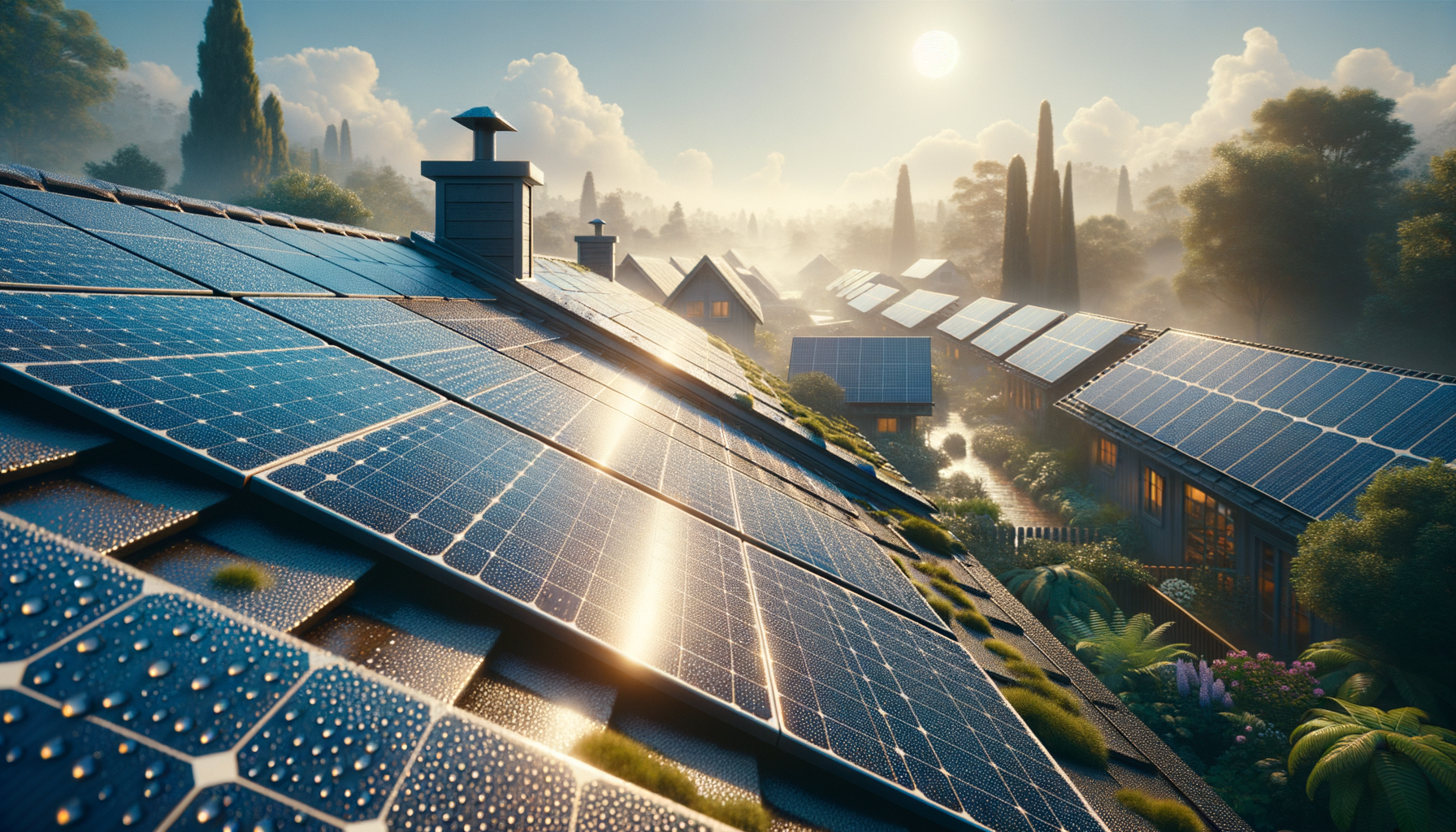
As the world increasingly turns its focus towards sustainable energy solutions, solar photovoltaic (PV) systems have emerged as a popular choice for both residential and commercial applications. These systems convert sunlight directly into electricity, providing a renewable source of energy that can significantly reduce dependence on traditional power grids. But are solar PV systems worth it? This article delves into the various aspects of solar PV systems, analyzing their benefits, costs, and overall impact on energy consumption.
Understanding the Financial Aspects
One of the primary considerations when evaluating solar PV systems is the financial investment required. The initial installation cost can be substantial, but various incentives and rebates often mitigate these expenses. Government programs and tax credits can significantly reduce the upfront costs, making solar energy more accessible. Additionally, solar PV systems can lead to substantial savings on electricity bills over time. By generating their own power, homeowners and businesses can reduce their reliance on grid electricity, often resulting in lower monthly energy costs. The return on investment for solar PV systems typically ranges from 5 to 15 years, depending on factors such as location, energy consumption, and available incentives.
Environmental Impact and Sustainability
Solar PV systems offer a clean and sustainable alternative to fossil fuels, contributing to reduced carbon emissions and a smaller environmental footprint. Unlike conventional power sources, solar energy is abundant and renewable, making it an attractive option for those looking to minimize their impact on the environment. By harnessing the power of the sun, solar PV systems help decrease greenhouse gas emissions and promote energy independence. Furthermore, as technology advances, the efficiency and effectiveness of solar panels continue to improve, enhancing their environmental benefits.
Technological Advancements in Solar PV Systems
The solar industry is continually evolving, with technological advancements driving increased efficiency and lower costs. Innovations such as bifacial panels, which capture sunlight from both sides, and improved energy storage solutions are transforming the way solar PV systems operate. These advancements not only enhance the performance of solar panels but also extend their lifespan, making them a more attractive investment. Additionally, the integration of smart technologies allows for better monitoring and management of energy consumption, further optimizing the benefits of solar PV systems.
Potential Challenges and Considerations
Despite their numerous advantages, solar PV systems also present certain challenges that prospective users should consider. Factors such as geographic location, local climate, and available roof space can impact the efficiency and output of solar panels. In areas with limited sunlight or frequent inclement weather, solar PV systems may not perform optimally. Additionally, the initial setup and maintenance require careful planning and investment. However, with proper research and professional guidance, these challenges can be effectively managed, ensuring that solar PV systems remain a viable and worthwhile option for sustainable energy.
Conclusion: Evaluating the Worth of Solar PV Systems
In conclusion, solar PV systems present a compelling opportunity for those seeking to embrace sustainable energy solutions. While the initial investment may seem daunting, the long-term financial savings and environmental benefits often outweigh the costs. By reducing reliance on traditional power sources, solar PV systems contribute to energy independence and a cleaner environment. As technology continues to advance, the efficiency and accessibility of solar power are likely to improve, making it an increasingly attractive option for individuals and businesses alike. Ultimately, the decision to invest in solar PV systems should be based on a thorough evaluation of financial, environmental, and technological factors, ensuring that the benefits align with individual needs and goals.