New hairstyles suitable for older women are once again becoming popular
Why Mature Hairstyles Are Back in Focus
Hairstyles for older women are enjoying a real revival, and the shift says something refreshing about modern beauty. Instead of chasing youth through severe cuts or rigid rules, many women now want shape, softness, and manageability that fit the way hair changes over time. Salons are responding with updated versions of bobs, pixies, shags, and layered shoulder-length styles that feel lively rather than dated. The result is a trend cycle that values confidence, practicality, and personal style in equal measure.
This renewed popularity did not appear out of nowhere. Beauty culture has changed in visible ways over the last decade. Fashion campaigns, television, social media, and salon education now show more age diversity than they once did. Older women are no longer treated as a niche audience expected to wear one “safe” haircut forever. Instead, stylists increasingly talk about movement, texture, density, and upkeep, which are far more useful topics than age alone. That change matters, because hair is not just decorative. It affects self-image, daily routine, and even how people feel walking into a meeting, a family event, or a casual lunch with friends.
There are practical reasons behind the trend as well. Hair often changes with time. Dermatologists and hair professionals commonly note that aging can bring lower density, shifts in natural texture, increased dryness, and graying that feels either coarser or more fragile. Cuts that once worked beautifully may begin to fall flat, feel heavy, or take too much effort to style. Newer versions of classic hairstyles answer that problem. A softly layered bob can create lift without looking stiff. A pixie with texture can make fine hair appear fuller. A modern shag can add motion where hair has become less cooperative.
Outline of this article:
• why these hairstyles are becoming popular again
• which specific cuts are leading the return
• how to match a haircut to hair texture, density, and face shape
• what role color, styling, and maintenance play
• how older women can choose a style with confidence
There is also a cultural reason this topic feels timely. Many women want beauty advice that respects maturity rather than treating it as a flaw to disguise. That is why the current wave of hairstyle interest feels different from old “age-defying” messaging. It is not built on fear. It is built on adaptation. Picture the mirror not as a critic, but as a window: one that reflects a face with history, character, and changing needs. A good haircut does not erase those qualities. It frames them well.
The Cuts Leading the Revival: From Soft Bobs to Textured Pixies
Several hairstyles are driving this comeback, and most of them are familiar cuts reworked with a lighter hand. The modern bob remains the clearest example. It has returned in chin-length, jaw-length, and collarbone versions, often with soft layering, gentle graduation, or side-swept movement around the face. Compared with the sharply sculpted bobs of past decades, today’s versions are less rigid. They are designed to move, to bend with natural texture, and to look good even when not styled to perfection. That flexibility makes them especially appealing to women who want polish without spending half the morning with a round brush.
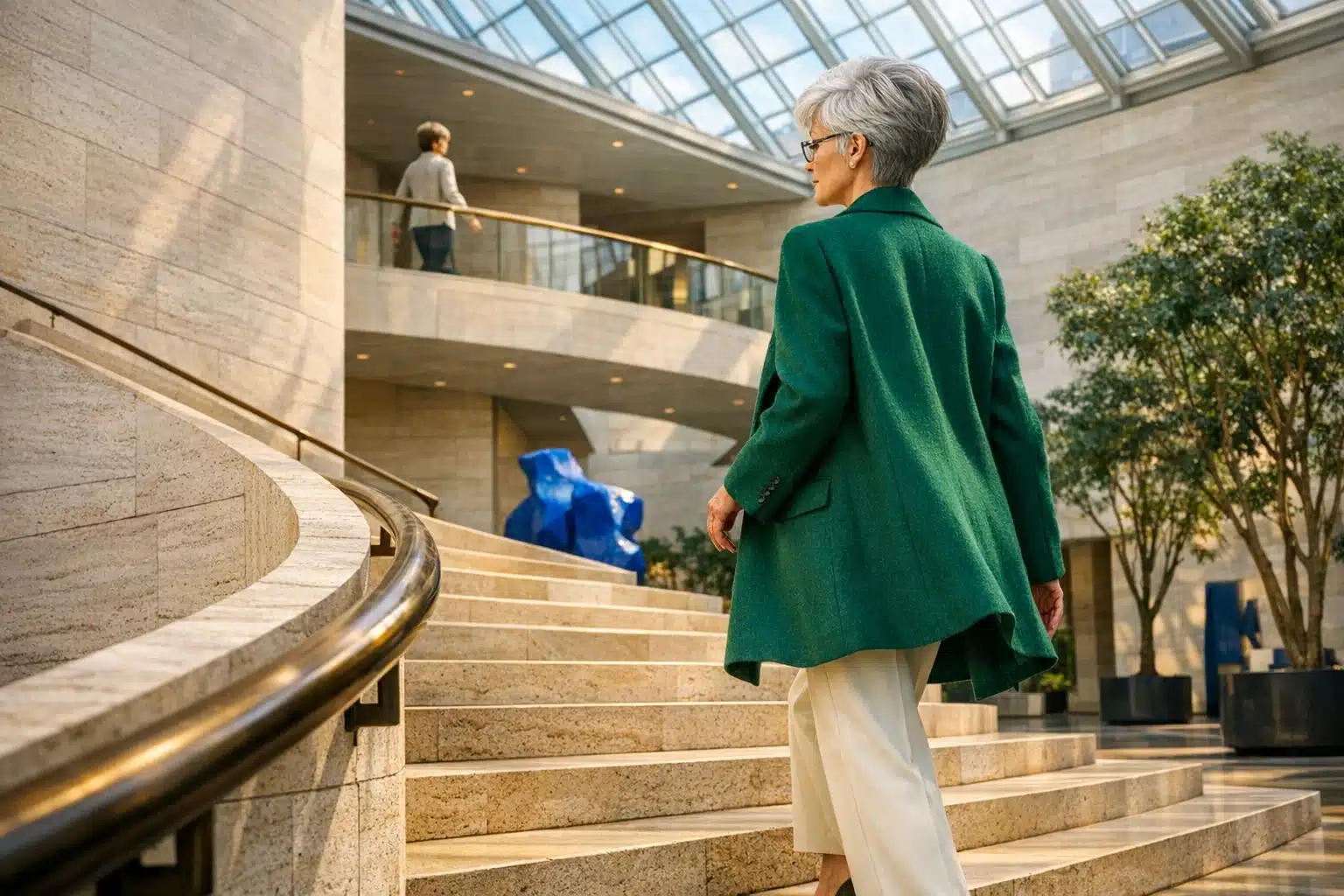
The pixie is another strong favorite, but it has changed too. The once severe, tightly cropped pixie has largely made room for textured versions with longer top layers, airy fringe, and softer edges around the ears and neckline. This matters because a highly blunt short cut can emphasize sparseness if hair has thinned. A textured pixie, by contrast, creates dimension. It can also draw attention upward, highlighting cheekbones and eyes. For women who wear glasses, this balance often works particularly well because the haircut and frames can complement each other rather than compete.
The bixie, a blend of bob and pixie, is one of the most useful options in the current trend cycle. It offers the lift and ease of a short cut while preserving enough length for softness. Women who feel a full pixie is too exposed and a classic bob is too weighty often find the bixie a practical middle ground. Meanwhile, the soft shag has returned for those who prefer a more relaxed, expressive shape. With layered lengths and a bit of fringe, it can bring life to wavy or slightly unruly hair. When done well, it looks effortless rather than messy.
Some of the most popular choices now include:
• jaw-length bobs for clean structure
• collarbone lobs for versatility
• textured pixies for low-maintenance lift
• bixies for a balance of softness and control
• soft shags for women who like movement and character
Shoulder-length layered cuts also deserve attention. They are especially helpful for women who do not want to go short but no longer enjoy the heaviness of long hair. Strategic layers can remove bulk, add bounce, and keep the silhouette current. On curly or wavy hair, this approach can be transformative. It lets the natural pattern participate instead of forcing it into submission. That, in many ways, defines the broader revival: popular hairstyles for older women are not new because they were invented yesterday. They are new because they are being cut with more intelligence, less dogma, and much better respect for real hair.
How to Choose the Right Style for Texture, Density, Face Shape, and Lifestyle
A hairstyle becomes flattering when it works with a woman’s real hair rather than with an imaginary ideal. That sounds obvious, yet it is where many haircut decisions go wrong. The most successful styles for older women take four factors seriously: texture, density, face shape, and routine. Hair texture refers to whether the hair is straight, wavy, curly, or coily, while density concerns how much hair is actually present on the scalp. Those two features often matter more than age itself. Fine straight hair usually benefits from shape that creates visible volume. Thick wavy hair may need internal layering so it does not become a triangle. Curly hair often looks better when the cut respects spring and shrinkage instead of flattening them.
Density deserves special attention because it often changes with time. Many women notice a broader part, less fullness at the crown, or finer strands after hormonal shifts, including menopause. In those cases, a blunt one-length haircut is not always the answer people assume it is. Sometimes bluntness creates the illusion of thickness at the ends, but it can also make hair sit flat against the head. Soft layering at the crown, light texturizing near the face, or a shorter perimeter can create more visible body. Stylists often recommend avoiding extreme length when hair has become very fine, because the extra weight can pull out what little lift remains.
Face shape is useful, though it should not become a rigid rulebook. A rounder face may benefit from height at the crown or pieces that fall below the chin. A longer face may look balanced with fringe or volume at the sides. Angular features can pair beautifully with soft texture, while softer features sometimes come alive beside sharper lines. Still, personal style matters just as much. A woman with a square jaw may look fantastic in a sleek crop if it matches her energy. Hair is geometry, yes, but it is also mood.
When choosing a style, it helps to ask:
• How much styling time am I honestly willing to spend?
• Do I want to air-dry, diffuse, blow-dry, or wash and go?
• Am I comfortable with salon visits every 4 to 8 weeks?
• Does this cut support my glasses, jewelry, and wardrobe style?
• Will it still look good on an ordinary Tuesday, not only after a salon finish?
This last question is crucial. A haircut should survive real life. It should still make sense after a brisk walk, a rainy day, or a night of poor sleep. That is why consultation matters so much. Bringing photos helps, but a good stylist will also evaluate cowlicks, growth patterns, and how hair behaves when untouched. The best result is not the trendiest option on the salon wall. It is the one that makes the mirror feel friendly again.
Color, Styling, and Maintenance: What Makes a Hairstyle Look Current Instead of Dated
A haircut rarely works alone. Color, styling method, and maintenance routine shape whether a look feels fresh or stuck in another era. This is especially true for older women, because hair often changes not only in length needs but also in pigment, porosity, and shine. Gray hair is a perfect example. Some women discover it becomes wiry and resistant; others find it softer and less dense. In both cases, the haircut must be supported by the right finish. A beautiful bob can lose impact if the hair looks dry and lacks movement. A pixie can appear harsh if the color is too flat or the styling too stiff.
One major shift in recent years is the move away from overly uniform color. Instead of dense, single-tone dye from root to tip, many women now choose dimensional color, gray blending, lowlights, or strategic highlights around the face. This can create depth without the maintenance burden of very dark roots or high-contrast regrowth. For women embracing natural gray, gloss treatments, violet shampoos, and moisture-focused care can help keep the shade bright rather than dull. Silver hair, when healthy, can look strikingly modern. It does not need to apologize for itself.
Styling trends have shifted too. The old formula of helmet-like volume, heavy teasing, and hard spray is far less common. In its place are softer blowouts, airier texture creams, light mousses, and flexible hold products. The goal is touchable shape. This is not merely a fashion preference; it is also practical. As hair becomes drier with age, a more forgiving styling routine can reduce breakage and make daily grooming easier. Heat protection, gentle brushing, and regular trims become more important than ever.
A simple maintenance strategy often includes:
• trims every 6 to 10 weeks, depending on the cut
• moisturizing shampoo and conditioner suited to gray or dry hair
• lightweight volumizers for fine hair
• smoothing creams or curl enhancers for textured hair
• minimal but consistent heat styling rather than daily overworking
It is also worth discussing bangs and fringe, because they are frequently part of revived hairstyles. Curtain bangs, side-swept fringe, and wispy front layers can soften the forehead and add movement near the eyes. They are often easier to wear than a blunt full fringe, which may require more upkeep. Likewise, the line of the neckline matters more than many people realize. A clean, tapered nape can make a short cut feel elegant, while a slightly longer, feathered finish can make it feel gentle and relaxed.
The difference between dated and current is often subtle. It is not about choosing a radically youthful look. It is about avoiding stiffness, excessive weight, and one-note color. A hairstyle feels modern when it moves naturally, supports the wearer’s features, and fits the rhythm of her life. That balance is why these styles are gaining traction again.
What Older Women Should Take From This Trend
The return of flattering hairstyles for older women is more than a beauty fad. It reflects a broader, healthier idea: style does not have an expiration date. What changes is the strategy. The most appealing modern cuts do not ask women to copy the hair they had at twenty-five, and they do not insist on a narrow image of what “age-appropriate” should mean. Instead, they respond to the realities of mature hair with better design. They add lift where needed, softness where helpful, and ease where daily life demands it. That is why this trend resonates so strongly.
For readers considering a haircut, the clearest takeaway is to think in terms of function and expression together. A good style should support your hair’s current condition, but it should also sound like you. If you love neat structure, a refined bob may feel right. If you want a brisk, confident look with minimal fuss, a textured pixie may be a smart move. If you prefer something gentler and more casual, a layered lob or soft shag might make better sense. No single cut wins for everyone. The right choice comes from matching shape to texture, density, maintenance habits, and personal taste.
It can help to approach the decision step by step:
• notice what frustrates you about your current hair
• identify what you want more of, such as volume, softness, or speed
• collect a few realistic reference photos with similar texture and density
• ask your stylist what daily upkeep each option requires
• choose a look you can maintain with confidence, not only admire in theory
There is something quietly liberating about a haircut that finally makes daily life easier. It saves time, yes, but it also lifts the mood. Many women describe a successful hair change not as a dramatic reinvention, but as a sense of alignment. They feel more visible, more comfortable, and more themselves. That may be the real reason these hairstyles are becoming popular again. They are not selling fantasy. They are offering fit.
So if you have been thinking about changing your hair, this is a good moment to revisit the classics with fresh eyes. The bob, pixie, shag, and layered lob are back, but they have returned wiser. They understand texture. They respect maturity. And when cut well, they prove a simple, encouraging point: style can evolve beautifully at every age.