Learn more about Solar PV Systems
Introduction to Solar PV Systems
Solar photovoltaic (PV) systems have become an integral part of the global energy landscape, offering a sustainable and renewable energy source. As concerns about environmental impact and energy security grow, solar PV systems stand out as a promising solution. They convert sunlight directly into electricity, providing a clean, renewable energy source that can reduce reliance on fossil fuels.
Understanding the fundamental components and operation of solar PV systems is essential for anyone interested in adopting this technology. This article will delve into various aspects of solar PV systems, from their components and setup to their benefits and challenges.
Components of Solar PV Systems
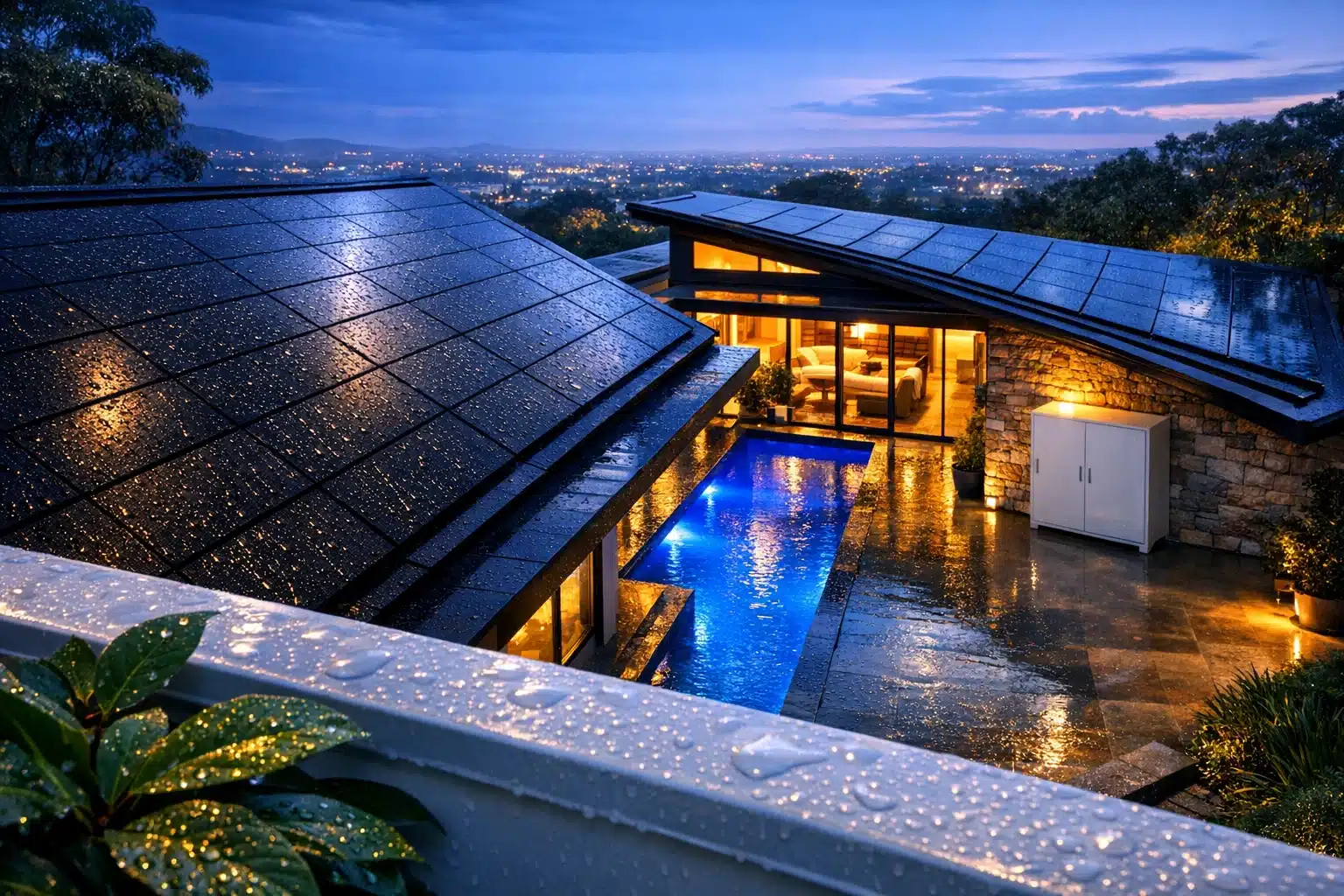
At the heart of every solar PV system are several key components that work together to harness solar energy. These components include:
- Solar Panels: The most visible part of any solar PV system, these panels are composed of photovoltaic cells that convert sunlight into electricity.
- Inverters: These devices convert the direct current (DC) electricity generated by the solar panels into alternating current (AC), which is used by most household appliances.
- Mounting Systems: These structures secure the solar panels in place, ensuring they remain oriented correctly to maximize sunlight exposure.
- Batteries: While not always included, batteries store excess electricity for use when sunlight is not available, such as at night or during cloudy weather.
- Monitoring Systems: These systems track the performance of the solar PV setup, allowing users to monitor energy production and consumption.
Each component plays a crucial role in the overall efficiency and effectiveness of the solar PV system, and understanding these elements is vital for optimizing energy production.
Installation and Maintenance of Solar PV Systems
The installation of solar PV systems requires careful planning and execution to ensure optimal performance. Factors such as roof orientation, shading, and local climate conditions play a significant role in determining the system’s efficiency. It’s essential to work with experienced professionals who can assess these factors and design a system tailored to the specific needs of a location.
Maintenance is another critical aspect of solar PV systems. While these systems are generally low-maintenance, regular inspections and cleaning are necessary to maintain peak efficiency. Dust, debris, and other environmental factors can affect the performance of solar panels, so periodic cleaning is recommended.
Inverters and batteries, if used, may require occasional servicing to ensure they operate efficiently. Monitoring systems can also help in identifying performance issues early, allowing for timely interventions and maintenance.
Benefits of Solar PV Systems
Solar PV systems offer numerous benefits that make them an attractive option for both residential and commercial applications. Some of these benefits include:
- Environmental Impact: Solar PV systems produce clean, renewable energy, significantly reducing greenhouse gas emissions compared to fossil fuels.
- Energy Independence: By generating electricity on-site, solar PV systems reduce reliance on grid electricity and enhance energy security.
- Cost Savings: Although the initial investment can be substantial, solar PV systems can lead to significant long-term savings on electricity bills.
- Low Maintenance: Once installed, solar PV systems require minimal maintenance, making them a hassle-free energy solution.
- Scalability: Solar PV systems can be easily scaled to meet the energy needs of different users, from small homes to large industrial facilities.
These advantages make solar PV systems an appealing choice for those looking to reduce their carbon footprint and achieve greater energy autonomy.
Challenges and Considerations
While solar PV systems offer numerous benefits, there are also challenges and considerations to take into account. One of the primary challenges is the initial cost of installation, which can be a barrier for some potential users. However, government incentives and financing options can help mitigate these costs.
Another consideration is the variability of solar energy, which depends on factors such as weather conditions and daylight hours. Energy storage solutions, like batteries, can help address this issue by storing excess energy for use during periods of low sunlight.
Finally, the integration of solar PV systems into existing energy infrastructures can be complex, requiring careful planning and coordination. Despite these challenges, the long-term benefits and potential for innovation make solar PV systems a promising option for a sustainable future.
Conclusion: Embracing Solar PV Systems for a Sustainable Future
Solar PV systems represent a significant step forward in the quest for sustainable energy solutions. By harnessing the power of the sun, these systems offer a clean, renewable source of electricity that can help reduce reliance on fossil fuels and mitigate environmental impact.
While challenges remain, the continued development and adoption of solar PV systems hold great promise for individuals, businesses, and communities looking to embrace a more sustainable and energy-independent future.