Learn more about wall restoration
Introduction to Wall Restoration
Wall restoration is a crucial process in preserving the structural integrity and aesthetic appeal of buildings, offering both historical significance and modern value. Whether dealing with centuries-old structures or more recent constructions, wall restoration helps in maintaining the cultural heritage and prolonging the life of a building. This article delves into the importance of wall restoration, the techniques involved, and the benefits it brings to both old and new structures.
The Importance of Wall Restoration
The significance of wall restoration cannot be overstated, especially when it comes to preserving historical buildings. These structures often embody unique architectural styles and materials that are no longer in use today. Restoring these walls ensures that future generations can appreciate their beauty and craftsmanship. Additionally, wall restoration is essential in maintaining the safety and functionality of a building. Over time, walls can develop cracks, water damage, and other issues that compromise their structural integrity. Restoration addresses these problems, preventing further deterioration and potential safety hazards.
Moreover, wall restoration adds economic value to properties. A well-maintained building is more attractive to potential buyers and can command higher market prices. For businesses, a restored building can enhance brand image and attract more customers. In summary, wall restoration is not just about aesthetics but also about preserving history, ensuring safety, and adding economic value.
Common Techniques in Wall Restoration
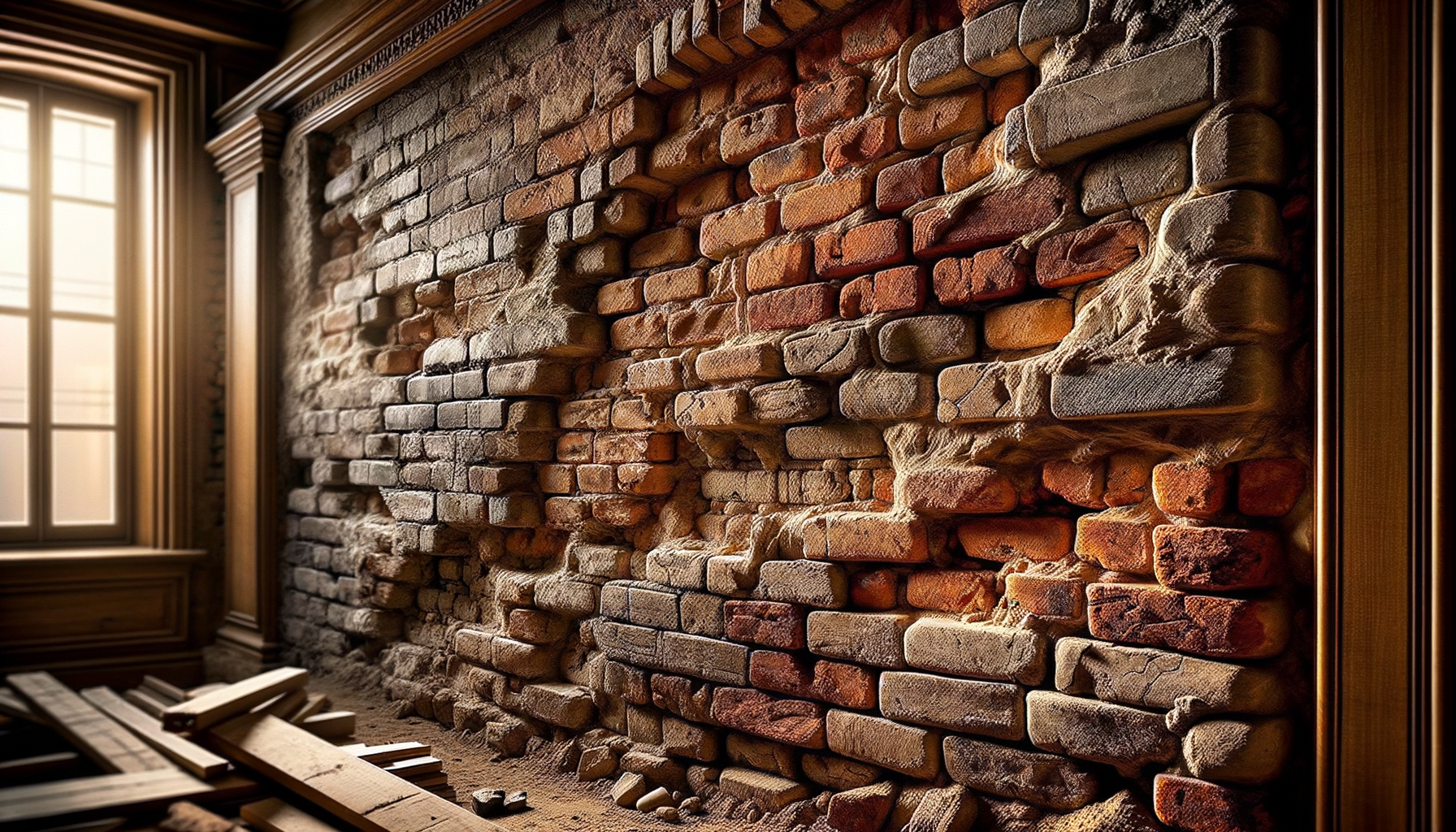
Wall restoration involves a range of techniques depending on the type of damage and the materials used in the original construction. One common method is repointing, which involves replacing the mortar between bricks or stones. This technique is vital for maintaining the structural integrity and appearance of masonry walls. Another technique is plastering, which repairs damaged surfaces while preserving the original texture and style.
In cases where walls have suffered water damage, damp proofing may be necessary. This process involves applying a waterproof barrier to prevent moisture from penetrating the walls. For walls with significant structural damage, underpinning might be required to stabilize the foundation and prevent further movement. Additionally, modern technology such as laser cleaning and chemical treatments can be used to remove dirt and pollutants from wall surfaces without damaging the original materials.
These techniques, among others, ensure that wall restoration is thorough and effective, preserving the building's original character while enhancing its stability and durability.
Challenges in Wall Restoration
While wall restoration offers numerous benefits, it also presents several challenges. One of the primary challenges is matching the original materials and techniques used in the construction of the building. This is particularly difficult for historical structures where the original materials may no longer be available or their use may not comply with modern building codes.
Another challenge is dealing with unforeseen issues that arise during the restoration process. For example, removing old plaster may reveal hidden structural problems that require additional work and resources. Additionally, working on historical buildings often involves navigating regulatory requirements and obtaining necessary permits, which can be time-consuming and costly.
Despite these challenges, the rewards of a successful wall restoration project are well worth the effort. With careful planning, skilled craftsmanship, and attention to detail, these challenges can be overcome, resulting in a restored building that retains its original charm and functionality.
Conclusion: The Future of Wall Restoration
The future of wall restoration looks promising, with advancements in technology and materials offering new possibilities for preserving our architectural heritage. As awareness of the importance of sustainability and cultural preservation grows, wall restoration will continue to play a vital role in the construction industry. By investing in wall restoration, we not only safeguard our history but also enhance the value and longevity of our buildings for future generations.
Ultimately, wall restoration is a testament to our commitment to preserving the past while embracing the future. As techniques and technologies continue to evolve, the process will become more efficient and accessible, ensuring that our architectural legacy endures.