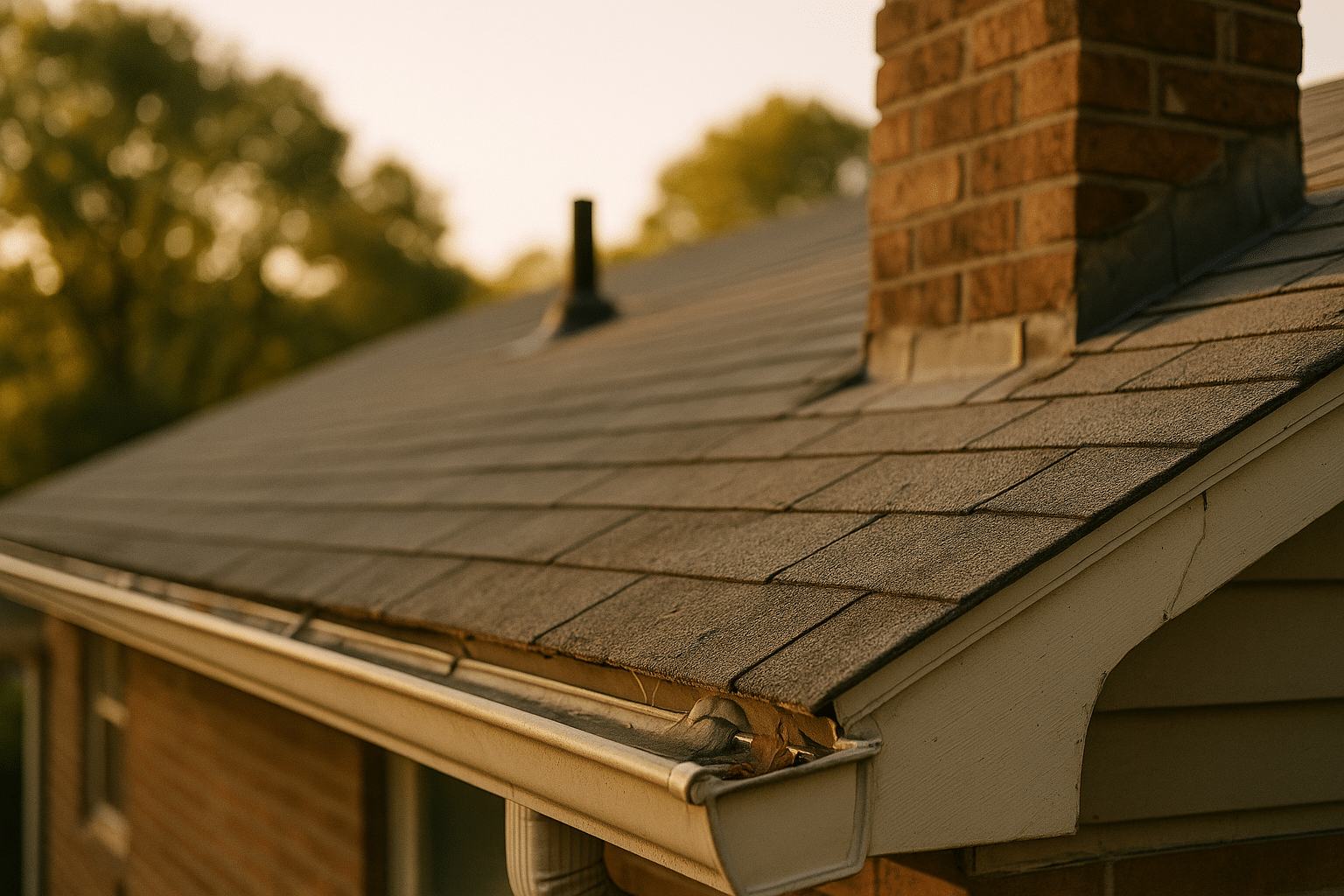
Learn More About Roof Repair
Introduction to Roof Repair
Roof repair is an essential aspect of home maintenance that ensures the safety and longevity of your property. A well-maintained roof protects against the elements, contributes to energy efficiency, and enhances the overall appearance of a home. Understanding the intricacies of roof repair can empower homeowners to make informed decisions and potentially save on costly replacements. This article delves into the various facets of roof repair, providing a comprehensive guide for those looking to learn more about maintaining and repairing their roofs.
Identifying Roof Damage
Before embarking on any repair, it’s crucial to identify the signs of roof damage. Common indicators include missing or damaged shingles, leaks, and visible sagging. Regular inspections can help spot issues early on, preventing minor problems from escalating. During an inspection, look for:
- Water stains on ceilings or walls
- Granules from shingles in gutters
- Cracked or curled shingles
- Rust spots on flashing
Understanding these signs can assist homeowners in determining whether a repair is necessary and what steps to take next. Additionally, different roofing materials exhibit specific types of damage, so being familiar with your roof type is essential for accurate diagnosis.
Common Roof Repair Techniques
Once damage is identified, selecting the appropriate repair technique is vital. Different materials require different approaches, and understanding these can ensure effective and lasting repairs. Some common roof repair techniques include:
- Replacing damaged shingles: This involves removing the damaged shingle and securing a new one in its place.
- Fixing leaks: Identifying the source of a leak and sealing it with appropriate materials can prevent water damage.
- Repairing flashing: Ensuring that the metal flashing around chimneys and vents is secure and watertight.
Each of these techniques requires specific tools and materials, and in some cases, professional assistance may be necessary to ensure safety and compliance with local building codes.
Preventive Maintenance for Roof Longevity
Preventive maintenance is key to extending the life of your roof and avoiding costly repairs. Regular cleaning, inspections, and minor repairs can prevent significant issues down the line. Here are some preventive measures to consider:
- Regularly clean gutters to prevent water backup and damage.
- Trim overhanging branches to avoid damage from falling limbs.
- Inspect and repair flashing around chimneys and vents.
- Ensure proper attic ventilation to prevent moisture buildup.
Implementing these practices can significantly reduce the likelihood of major repairs and contribute to the overall health of your roof.
When to Call a Professional
While some minor repairs can be handled by homeowners, there are instances when professional help is necessary. Complex repairs, such as those involving structural damage or large-scale leaks, should be addressed by experienced contractors. Additionally, working on steep or high roofs poses safety risks, making professional intervention advisable. Consider hiring a professional if:
- The damage is extensive or widespread.
- You lack the necessary tools or expertise.
- Safety concerns arise due to roof height or pitch.
Professionals can provide a thorough assessment, recommend appropriate solutions, and ensure repairs are completed to a high standard, safeguarding your home and investment.
Conclusion: The Importance of Roof Repair Knowledge
Understanding roof repair is invaluable for homeowners, offering both peace of mind and financial benefits. By learning to identify issues early, employing effective repair techniques, and knowing when to call in professionals, homeowners can maintain their roofs efficiently. This knowledge not only preserves the structural integrity of a home but also enhances its value and curb appeal. Investing time in understanding roof repair can lead to a safer, more durable home environment.