Learn more about fence installation
Introduction to Fence Installation
Fencing serves multiple purposes, from enhancing privacy and security to adding aesthetic value to a property. Whether you're enclosing a backyard, securing a pool area, or simply marking the boundary of your land, understanding the fundamentals of fence installation can make a significant difference in the outcome. This guide will walk you through the essential aspects of fence installation, providing valuable insights to ensure a successful project.
Choosing the Right Fence Material
Selecting the appropriate material for your fence is crucial as it affects both the functionality and appearance of the finished product. Common materials include wood, vinyl, metal, and composite. Each material presents unique benefits and challenges:
- Wood: Offers a classic and natural look, excellent for privacy, but requires regular maintenance to prevent decay and weathering.
- Vinyl: Known for its durability and low maintenance, vinyl fences are resistant to weather and pests, though they can be more costly upfront.
- Metal: Options like aluminum and steel provide strong security features and are available in various designs. They are long-lasting but may require rust protection.
- Composite: Made from a combination of wood fibers and plastic, this material mimics the look of wood while being more durable and easier to maintain.
Considering the climate, purpose, and budget will guide you to the right choice for your property.
Planning Your Fence Installation
Before breaking ground, thorough planning is essential. Start by checking local regulations and zoning laws to ensure compliance with any restrictions or requirements. It's also wise to discuss your plans with neighbors if the fence will be on or near property lines.
Once legalities are sorted, measure the area accurately to determine the amount of material needed. This step is crucial for budgeting and preventing material shortages during installation. Sketching a layout can help visualize the project and identify potential challenges, such as uneven terrain or existing structures that may require special considerations.
- Check for underground utilities before digging.
- Consider the height and style that complements your property.
- Plan for gates and access points in convenient locations.
Thorough preparation can prevent costly mistakes and ensure a smooth installation process.
Installation Process and Techniques
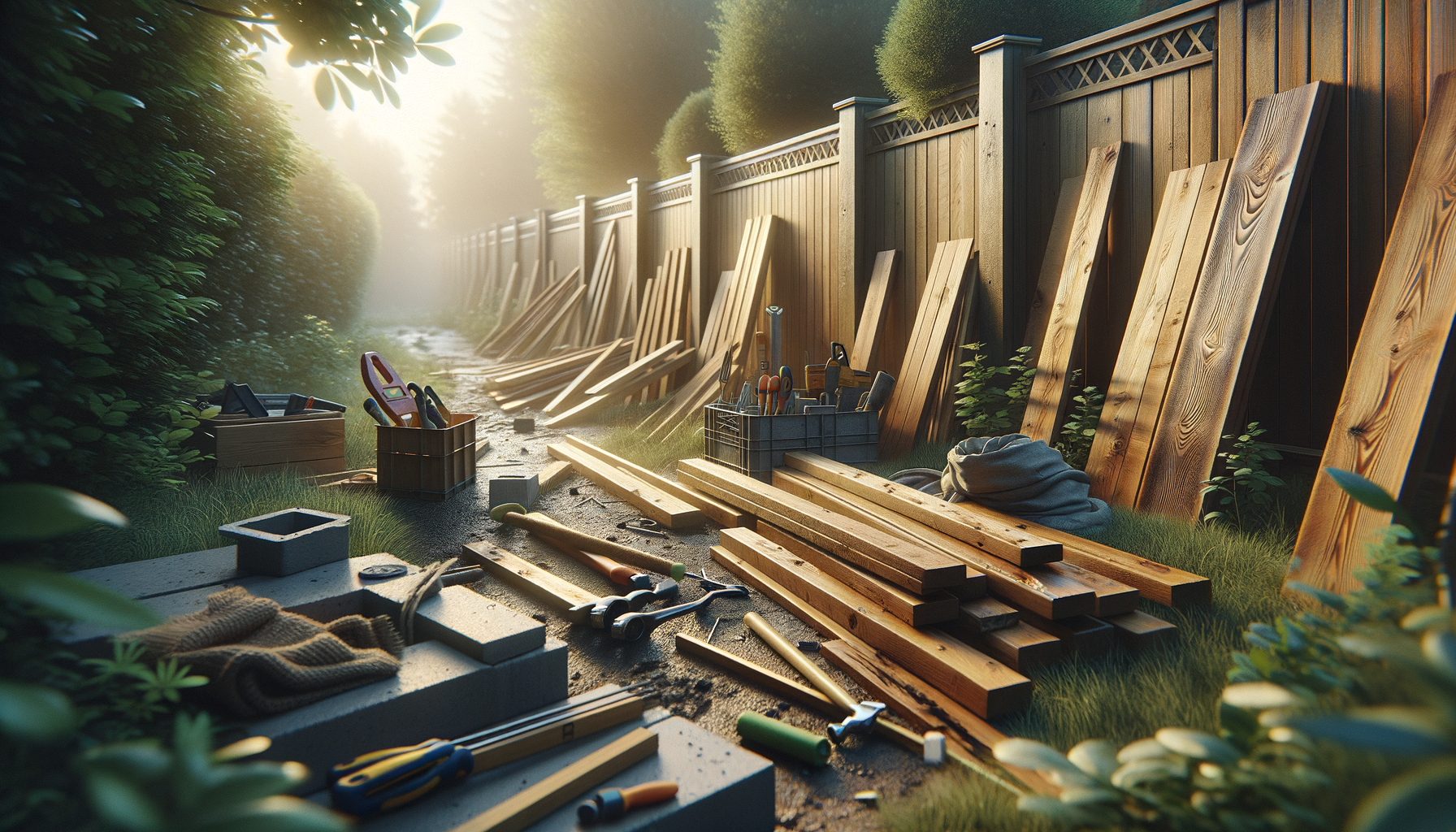
The installation process involves several key steps, each requiring attention to detail to ensure a sturdy and long-lasting fence. Begin by marking the fence line with stakes and string to maintain straightness. Digging post holes is a critical task; they should be deep enough to support the fence structurally, typically one-third of the post length.
For wooden fences, setting the posts in concrete will enhance stability. Allow the concrete to cure fully before attaching fence panels or rails. When installing panels, ensure they are level and evenly spaced. Using a spirit level and measuring tape will aid in maintaining consistency.
For metal or vinyl fences, follow the manufacturer's instructions closely. These materials often come with pre-assembled panels or sections that require precise alignment and fastening.
- Use galvanized or stainless-steel hardware to prevent rust.
- Ensure panels are securely attached to withstand weather conditions.
- Regularly check for level and adjust as needed during installation.
Attention to detail during installation will result in a fence that is both functional and visually appealing.
Maintaining Your Fence
Once your fence is installed, regular maintenance is necessary to preserve its appearance and functionality. The type of maintenance will depend largely on the material:
- Wood: Requires periodic sealing or staining to protect against moisture and UV damage. Inspect for rot or insect damage regularly.
- Vinyl: Generally low maintenance, but occasional cleaning with soap and water will keep it looking new. Check for cracks or damage that may need repair.
- Metal: Regularly inspect for rust, especially at joints and fasteners. Applying a rust-inhibiting primer and paint can extend its lifespan.
- Composite: Clean with water and mild detergent as needed. Inspect for structural damage and repair promptly.
Adhering to a maintenance schedule ensures your fence remains a valuable asset to your property, providing security, privacy, and aesthetic appeal for years to come.
Conclusion: Enhancing Your Property with a Fence
A well-installed fence can significantly enhance the value and functionality of your property. By understanding the materials, planning carefully, and executing the installation with precision, you can create a fence that meets your needs and stands the test of time. Regular maintenance will ensure it continues to protect and beautify your home. Whether for privacy, security, or decoration, a thoughtfully chosen and installed fence is a worthwhile investment in your property.