Door and Window Replacement Guide: Get Practical Advice
Introduction to Door and Window Replacement
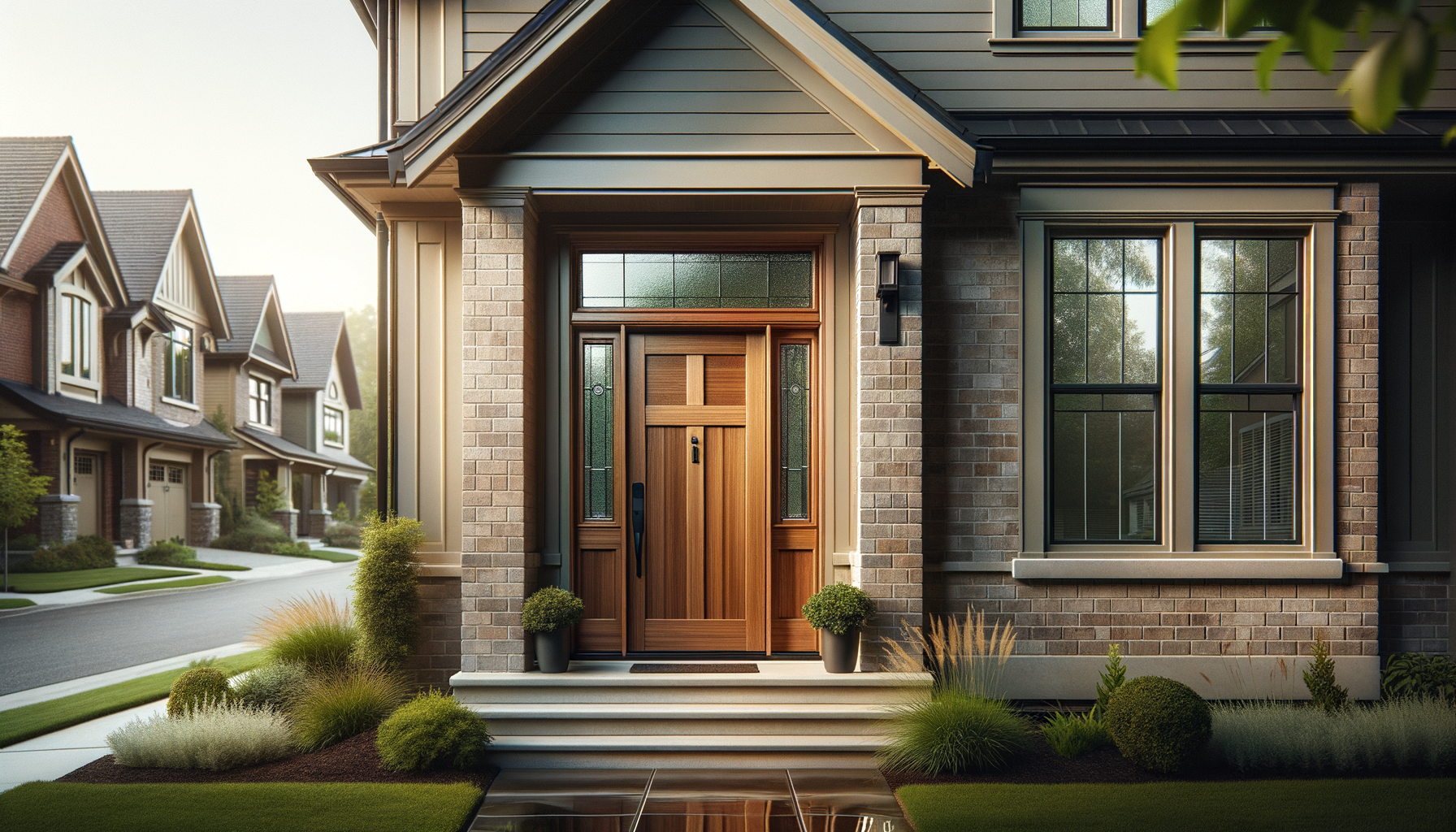
When it comes to home improvement, door and window replacement is a project that can significantly enhance both the aesthetic and functional aspects of a home. This guide is designed to provide practical advice for homeowners considering such upgrades. Whether it's the desire for increased energy efficiency, improved security, or simply a fresh new look, understanding the nuances of door and window replacement is crucial. This article will delve into various aspects of the process, offering insights to help make informed decisions.
Assessing the Need for Replacement
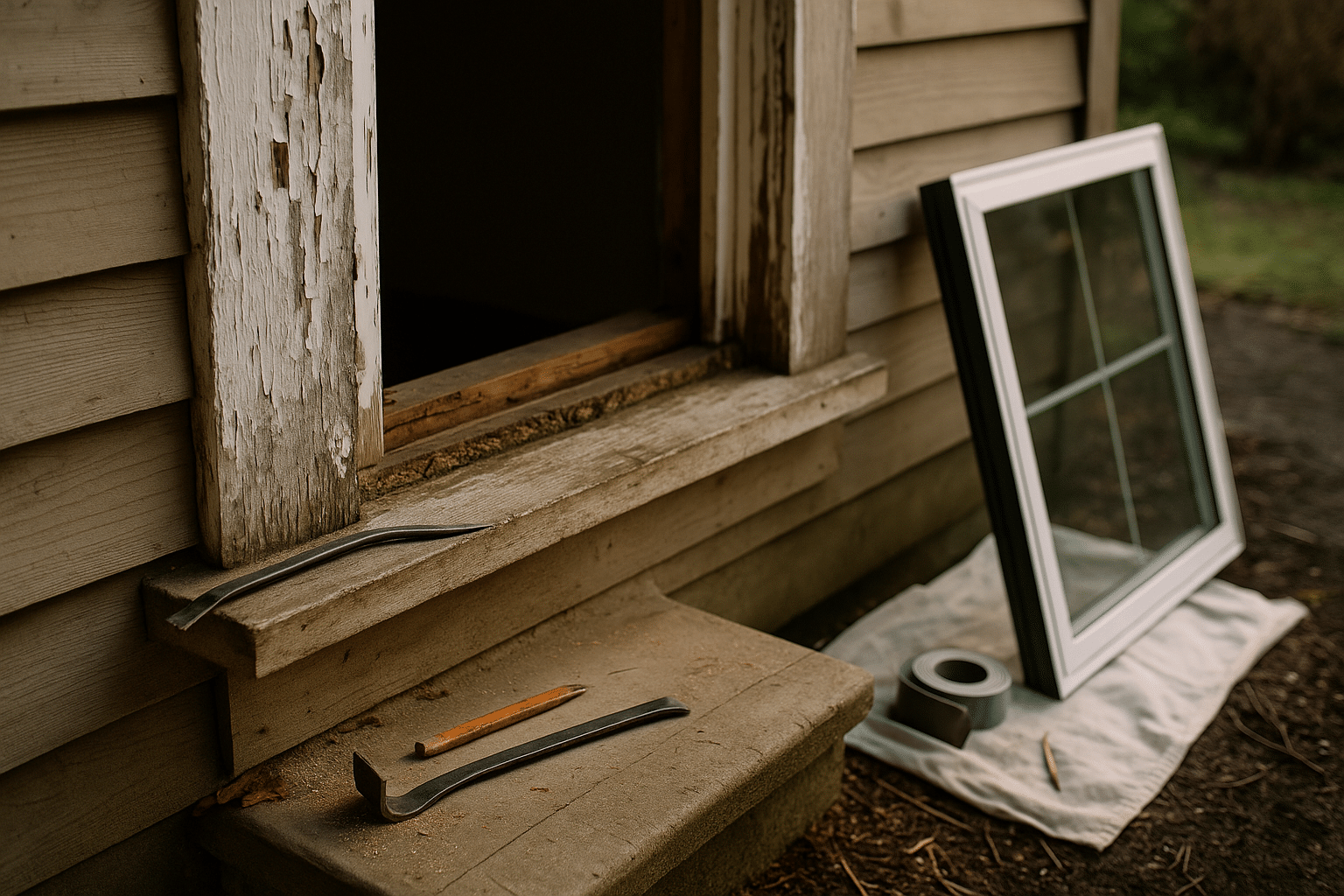
Before embarking on a door and window replacement project, it is essential to assess the current condition of your existing fixtures. Look for signs such as drafts, difficulty in opening or closing, and visible damage like cracks or warping. These indicators often suggest that replacement is necessary. Additionally, consider the age of your installations; older windows and doors may not meet current energy efficiency standards, leading to higher utility costs. By evaluating these factors, you can determine whether a replacement is a worthy investment.
- Check for drafts and temperature fluctuations near windows and doors.
- Inspect for visible damage such as cracks, warping, or rot.
- Assess the ease of operation - sticking or jamming can indicate issues.
Choosing the Right Materials
Once the decision to replace has been made, the next step is selecting the appropriate materials. The choice of materials can greatly impact the durability, appearance, and energy efficiency of your new doors and windows. Common materials include wood, vinyl, aluminum, and fiberglass, each with its own set of advantages and drawbacks. Wood offers a classic look but requires more maintenance, while vinyl is low-maintenance and cost-effective. Aluminum provides strength and durability, and fiberglass is known for its energy efficiency and resistance to extreme weather conditions. Consider your climate, budget, and personal preferences when selecting materials.
- Wood: Offers a timeless aesthetic but requires regular maintenance to prevent rot and warping.
- Vinyl: Low maintenance and affordable, ideal for those on a budget.
- Aluminum: Durable and strong, suitable for modern designs.
- Fiberglass: Excellent for energy efficiency, withstands harsh weather.
Understanding Installation Options
Proper installation is key to ensuring the longevity and performance of your new doors and windows. Homeowners can choose between hiring professionals or undertaking a DIY approach. Professional installation is often recommended, as it ensures that the job is done correctly and helps avoid potential issues down the line. However, for those with experience and confidence in their skills, DIY installation can be a cost-saving option. It's important to thoroughly understand the installation process and have the necessary tools and materials if opting for DIY. Regardless of the chosen method, ensure that installations are airtight to maximize energy efficiency.
- Professional Installation: Guarantees quality and minimizes risks of errors.
- DIY Installation: Cost-saving for experienced individuals but requires careful planning.
- Ensure airtight installation to enhance energy efficiency.
Maximizing Energy Efficiency
One of the primary reasons for replacing doors and windows is to improve energy efficiency, which can lead to significant savings on utility bills. Modern doors and windows are designed with energy efficiency in mind, often featuring double or triple glazing, low-emissivity coatings, and insulated frames. These features help reduce heat transfer, keeping your home cooler in the summer and warmer in the winter. When selecting new doors and windows, look for energy ratings and certifications that indicate superior thermal performance. Additionally, consider incorporating weather stripping and proper sealing techniques to further enhance energy efficiency.
- Choose double or triple glazed windows for better insulation.
- Look for low-emissivity coatings to reduce heat transfer.
- Ensure frames are insulated and properly sealed.
Conclusion: Making Informed Decisions
Door and window replacement is a significant home improvement project that requires careful consideration and planning. By assessing the need for replacement, selecting the right materials, understanding installation options, and focusing on energy efficiency, homeowners can make informed decisions that enhance their living spaces. This guide provides practical advice to navigate the complexities of the replacement process, ensuring that the final outcome not only meets aesthetic desires but also improves the overall functionality and value of the home.